Author Archives: thehen1

Big bang economics

With modern machinery prices the way they are, some people are looking for solutions outside of their normal buying, SMH Agri are one such set up- buying a Challenger MT765 for their reseeding operations.

Lead image:-

SMH Agri bought the Cat 765 to deal with shallow cultivation.

Some video if you like that kinda thing..https://youtu.be/saCy3h1niFU?si=6zxF3otLZCx-K1GY

We’ve visited SMH Agri before, back in 2020 when Sam’s business was in it’s infancy- starting out with mostly slurry spreading via umbilical, with one tractor. Since then business has grown to four tractors and more implements to cater to the growing reseeding workload created by expanding dairy farming and intensified grass production.

When Sam Horsfall first started doing reseeding he tackled it with a reversible plough and combination drill, which did the job, but as demand grew and the terrain became more challenging the traditional methods weren’t stacking up.

Sam is based in North Yorkshire on the edge of the North Yorks national park, near Malham Cove, part of the rocky upland that makes up the Pennines- “The backbone of England” so there’s a bit of stone knocking about.

The area is livestock oriented and dairy herds have been growing, which has led to more reseeding, to get old lays more productive, the problem is- most of the older lays haven’t been pulled up because of whats underneath the surface.

After some thought a Lemken Heliodor 9 was  demo’d from Rickerby Ltd and worked really well, able to chop up old sod, and give a shallow friable tilth for new grass seeds, without hauling up rocks from the sub soil, so it was purchased.

The Heliodor proved it’s worth with post wholecrop stubbles also, which to be fair is what it’s designed for, with the concept proven the next hurdle was scale, as work load increased four metres was becoming limiting. 

Reseeding services have grown in the business, with customers needing more productive grass, the boundaries of where they’ll put new seeds have widened. The limits of capacity were becoming an issue not only because of the acres, but where the plough is absent, more passes with the disc are needed in grassland. 

Working in stony ground, deep cultivation is to be avoided

What’s the answer?

Go wider of course… and that means stepping from a mounted Heliodor 9 to a trailed Rubin 10, which is all well and good, but then you have to pull it, “well there are plenty of big tractors out there.” we hear you shout, indeed there are!

With most current 250+hp models ranging from £150K upwards, you don’t even get a large frame tractor necessarily, even in SMH’s wheeled tractor of choice brand, you’ll be looking at a 6250R with a few hours on the clock, and even then it’s still a mid frame tractor… 

So what is the answer, well in Sam’s case it’s 22 years old and has rubber tracks. Enter the Challenger MT765, not your typical ware for North Yorkshire, more at home in North Lincolnshire. The Challenger is Caterpillar engineered, 8.8L C9 engine matched to a Cat 16Fx4R powershift transmission.

After doing a bit of shopping around Sam found this immaculate Challenger MT765, a Pre AGCO model, a pure bread Cat. The history is good, one owner from new, never a night outside, and never even seen rain!

The Challenger has 7500 hours on the clock, and as can be seen- it’s very tidy, no fading to talk of, and the tracks are in good shape, plenty of life left in them. The intention is basically to use the MT765 for this job only, most jobs are within five to eight miles from base, so it’s not going to do a tremendous amount of roading.

With a few passes of the Lemken Discs, the tilth soon appears for a reseed.

With MT765’s now in the tens of thousands rather than hundreds, it may still seem an extravagance to run for 3-400 hours a year, but where the modern 6R tractors will clock 2000 per year on a three year rotation, the Cat is more of a long term purchase.

Cost of ownership isn’t dramatically different from a 300hp modern wheel tractor, replacing tracks is comparable to a set of premium tyres for this class of tractor, fuel use will be higher, but depreciation lower- field performance is the gain.

Pulling it out of the shed for discing jobs and storing it away after where it’s eating no meat, it’s value isn’t going to plummet because Vladimir Putin has caused some mischief or the Strait of Hormuz has been closed. 

Tractors and machinery of this age have plateaued, and arguably peaked in the technology vs usefulness graph. And no emissions control is also a bonus, no AdBlue sitting for long periods of time. 

Living with a big Cat

Sam has only owned the MT since the spring, and the first thing he realised was that you need a Category H on your driving licence, twin tracks are not covered by your standard licence, you need training, and to pass a test on the road. (This is only twin tracks, four track machines are covered by normal driving licence for drivers over 21)

It costs about £1500 for the training and test and doesn’t expire until you reach 70 years of age. In the grand scheme of things it’s not a lot of money, and the bonus is you can also drive a military tank with the same qualification!

You have to have a CAT H class on your licence to drive twin tracks on the road

Working on the day we saw it, fuel use was between 48-52 litres per hour, which sounds like a lot, but at 10mph and a 70% (efficiency allowing for stone collection and turning) it works out to about three litres per acre per pass achieving just over 16 acres per hour.

Running a tracked machine does come with some costs, tracks although rubber have moving parts to keep them rolling. If you were going to buy one, some due diligence maybe a good idea, the whole track is mounted on a shaft, which can wear, the mid rollers have two points of wear 1) the rubber coating and 2) the oil immersed bearings, and the tracks of course.

We had a brief conversation with EuroTrack Ltd from Norfolk, and they explained that running tracks were like tyres, you need to understand the land type and use of the tractor. If it’s working in light loamy soil with a relatively easy to pull implement a lighter duty belt is fine, if its pulling a scraper box in stoney land, a thicker belt would be advisable.

Tracks for twin track machines can range from £5-9000 each, the price depends on belt thickness, tread depth and pattern. The MT765 is a friction drive system, so tensioners need to be kept in tip top order also. The mid rollers like tracks- come in varying grades, some come with a lifetime guarantee for the bonding on their rubber coating, and some do not- this will be reflected in the price, which can be from £250- £350 per roller, buying clear caps for the rollers to see the oil is a good idea.

The keys to longevity seem obvious, don’t road for too long- don’t bounce of curbs when you do, and turn carefully in the field, aggressive turns that churn soil and stones into the inside of the belts will cause damage. A handheld temp gauge is a handy item to keep in the cab, to cast over the track system now and then, these can be bought from Amazon for less than £20, and thermal imaging cameras can be bought from £100, both of these could be handy for many machine monitoring and diagnostic jobs.

Lemken Rubin 10

Compared to the Heliodor 9 the Rubin 10 is a heavier cultivator, the discs are 645mm diameter compared to the 510mm of the Heliodor, and the disc suspension is heavier, with a coil spring rather than a sprung leg. This enables greater weight to be put through the disc, making the serrated discs bite even in hard conditions.

Hauled via Cat III linkage the Rubin has the same packer roller as Sam’s Heliodor, but instead of the shatter paddles ahead of the discs, the is a row of tines behind the first row of discs, which slows the soil flow, increasing incorporation. And behind the rear set of discs is a row of what look like ice hockey stick heads, these slow the soil diverting it sideways and causing a levelling effect- it also prevents the soil being flung directly into the double profile ring packer roller.

For old grass lays, it’ll take three to four passes with the Rubin 10 to get the sod broken down to a level that can be power harrowed or sown into. The method takes more time than a plough, with residue to deal with, but only disturbing surface level stones and not breaking shear bolts makes up for it.

With the Challenger up front, there is little levelling needed, with track marks hardly more than a few centimetres deep, even when the tractor is pulling quite hard uphill. The wins with the MT765 are reduced compaction, even at the thick end of fifteen tonnes including a rack of wafer weights on the front coming in at 940kg and two front track idler weights per side at 228kg in total. 

Compaction can’t be matched by a wheeled tractor, on 30” belts the Cat is putting down about 5psi about 30-40% less than a wheeled tractor on 710 rears. Wheel slip is also next to nothing, while in shallow cultivations with wheels it wont be massive, there will be some certainly on the banks and that causes a smearing from the cleats which is part of the compaction equation too.

30″ belts aren’t cheap, but without roading should last a while

Going straight

The Cat came with a Trimble TMX screen and receiver, this is connected to the steering system, so it can follow an A-B line, and measure area. The screen is ISObus, but is getting on own years tech wise, it is possible to put a Starfire receiver and a 4240 screen in from John Deere, this would give Sam area data, and feed some info to Operations Centre like his 6R tractors- but obviously no telemetry.

In summary

Sam took a punt on what is approaching a classic era tractor, and at a price that would have bought you a new John Deere 7530-ish,  he has a tractor that’s not really eating any meat- and can’t come out for a few hundred hours per year and sit when not needed, because it’s value isn’t going to drop much.

What he gets from it is a fairly bomb proof machine that will pull his discs in challenging terrain, and get the job done with little fuss. Grass production has become a serious business, and if you don’t have deep soil, other methods have to be employed.

No tip trailer

Joskin released the updated Drakkar trailers in November 2024. I caught up with one of the first 2025 model year trailers in the UK, the 7600/33D180 is the smallest trailer of the Drakkar range.

The Drakkar was updated in 2024

Rewriting the rulebook on haulage

There is no shortage of choice in the trailer market, from standard monocoques to push-off and compactor types. Each has its advantages, but for a 33 m³ capacity machine, the baseline specification and unladen weight often vary little. For example, a Bailey TB24 has a dry weight between seven and nine tonnes, and the K2 Compactor sits in a similar range.

Until Krone entered the sector with its GX, Joskin’s Drakkar was the only mainstream conveyor-type trailer in use across Europe. While Krone’s GX employs a similar method—a full-length floor conveyor and moving headboard—Joskin has been refining its system for over a decade. Functionally, they share the same working principle, but Joskin’s 33 m³ configuration offers a size better suited to UK haulage practices.

Where the Krone GX starts at 44 m³, the Joskin Drakkar 7600/33D180 at 33m3 fits neatly into a space where business’ are using similar capacity trailers, ideal for general root crop, grain, and silage work. A 44 m³ load of potatoes, for instance, could easily approach 29 tonnes net—well beyond the practical limit of many haulage operations unless ring-fenced to internal farm roads or part loads.

As the Drakkar unloads the body is cleaned, leaving little to no debris inside the trailer.

In the field

Lancashire contractor Martin Bond opted for the new 7600 Drakkar, supplied by Guy Machinery of Gisburn. Having owned the previous generation Drakkar for several seasons, he upgraded to the 2025 model to stay ahead of potential wear-related costs. The trailer predominantly handles silage carting for a local dairy farm, supplementing their in-house forage equipment during peak seasons.

To suit the work, Martin’s Drakkar is fitted with hydraulic silage extensions, raising the volume by 4 to 6 m³. These are hydraulic to drop for road transport and lift once in the field, although the tailgate extension is currently manual. Joskin doesn’t yet offer a hydraulic version of the tailboard riser—a modification Martin is keen to make, especially given the number of roadside trees along his routes.

Discharge system: how it works

The Drakkar’s discharge system replaces tipping with a floor-mounted hermetic conveyor and a hydraulic front wall. Once the rear tailgate opens—controlled hydraulically and monitored via a position sensor—the operator can begin unloading via ISOBUS or Joskin’s control box.

Two rear-mounted hydraulic motors drive the conveyor belt rearward. The belt, constructed of four-layer reinforced rubber with anti-slip surfacing, draws the load toward the tailgate. At the same time, the front wall is mechanically pulled with the belt, maintaining pressure on the load.

If high friction or dense materials resist initial belt movement, a third hydraulic motor—normally reserved for resetting the front wall—automatically engages to provide an assist push. This sequence is governed by pressure sensors monitoring the load resistance on the primary belt motors, and the process is entirely automatic.

The trailer remains completely horizontal throughout, allowing for fast, safe unloading in tight sheds or uneven ground. The system also completely removes the risk of drawbar lifting, unlike tipping trailers. Scrapers clean the belt after each rotation, preventing material buildup. Once empty, a single hydraulic command returns the belt and wall to the front of the trailer, ready for reloading.

Real world working

Following the Joskin Drakkar on the road as it travelled between the clamp and the field, and it was clear the running gear is seemed stiff enough when well loaded with grass. Even on rough sections of tarmac, the trailer soaked up the bumps well, and roll seemed well controlled. The combination of the Roll-Over bogie suspension and 710/50 R22.5 tyres gave it a stable, planted stance. The width of the tyres and axles will give the trailer a stability advantage, but my make tight gateways more difficult, with potential risk of tyre damage on gateposts.

In the field, the benefits of the design became more obvious. One key feature is the transparent headboard. From the cab, the tractor operator has full visibility into the body during loading. It makes it far easier to self load with a self propelled forager or a potato harvester.

Unloading was equally impressive. Once in position, the tailgate lifted and the belt began moving. Material flowed evenly and quickly, with the front wall keeping gentle pressure on the load. The discharge was complete in under two minutes. Because the trailer stays completely level throughout—making it ideal when working inside low sheds or under roofs where tipping a monocoque would be risky or outright impossible.

In tight yards, sheds, and clamps, the Drakkar’s horizontal discharge offers a clear advantage. It’s a well thought-out system that seems designed not just for volume, but for real-world working conditions.

Drakkar-compactor-tipper

Compared to a compactor trailer, the Drakkar offers a more crop-friendly discharge. Its system applies minimal compaction, preserving crop structure during unloading—especially useful for silage, grains, beet pulp, and potatoes. Compactor trailers use a ram or bulkhead that forces the load out under pressure, which, while effective for consolidation, can damage soft or fragile material.

Another strength of the Drakkar is its unloading speed. It can fully discharge in under two minutes, regardless of commodity type. This gives it a significant efficiency advantage, particularly in clamp work or back-to-back silage haulage. Compactor trailers can take longer to unload, especially with fibrous or sticky material.

Where compactor trailers excel is with light but bulky materials such as grass or chopped straw, where the compression mechanism increases payload volume. However, the Drakkar’s combination of speed, gentleness, and versatility across multiple crop types gives it the edge for contractors or farmers handling varied jobs.

A tipping trailer is inherently less maintenance, there are far fewer moving parts and operation is simple. And you can put it behind most tractors with a competent operator, the only risks come when tipping, if the load is heavy and the weight transfers before the load exits we all know what happens.

Cost is another factor, tipping tailors are cheap compared to the other two options, and come in much smaller sizes, a 33m3 trailer is going to be a hindrance in many parts of the country, steering axles or no, you still have a sizeable trailer to handle. 

As the Drakkar unloads the body is cleaned, leaving little to no debris inside the trailer.

Running gear

The 7600/33D180 is a tandem-axle machine riding on Joskin’s Roll-Over bogie suspension. This setup uses parabolic leaf springs mounted beneath a reinforced flat chassis plate, allowing approximately 240 mm of axle travel. It’s designed to keep tyres planted, absorbing undulations and reducing bounce, especially when travelling at speed or across stubble.

Tyres are 710/50 R22.5 Mitas floatation types, offering a wide footprint and low ground pressure. For road transport, they offer stable behaviour at speed. The drawbar uses a mechanical suspension with a cross mounted leaf spring arrangement as standard.

Larger Drakkar trailers, particularly the tridem variants, feature Joskin’s Hydro-Tandem or Hydro-Tridem running gear. These systems use hydraulic cylinders and nitrogen accumulators for each axle group, providing up to 250 mm of travel and vastly improved load distribution. This system is particularly suited to high-speed road work and challenging field conditions.

Steering and braking

Rear passive steering is standard on tandem Drakkar models, reducing turning radius and easing axle scrub when entering or exiting tight gateways. Tridem trailers can be equipped with double forced steering—on both front and rear axles—for enhanced manoeuvrability. The system uses hydraulic rams and sensors to follow the tractor’s steering line accurately.

Braking is via dual-line air brakes with load-sensing. The system uses either a manual three-position valve or an automatic valve that adjusts braking pressure based on the suspension pressure. This allows full braking performance regardless of trailer loading.

Brake drums are 406 mm × 120 mm on standard units, with a 420 mm × 180 mm upgrade available. Shoes are automatic-adjusting, and the system includes spring-applied parking brakes and ABS options for high-speed transport.

ISOBUS integration and weighing

The Drakkar integrates fully with ISOBUS terminals, allowing belt control, tailgate operation, weighing readouts, and steering locks to be managed from the tractor cab. Joskin also offers their own ISO Control Touch screen terminals in 5.7″, 10.4″, or 12.1″ sizes with USB export and multi-function display capability.

A hydraulic weighing system is available, using sensors on the drawbar and axle suspension to calculate current load. It’s not trade-certified but allows operators to track real-time payloads and adjust fill levels accordingly—especially useful during harvest, or to keep track of weight on contracting jobs like handling biomass or manure.

Running gear is 710 tyres on commercial axles, the tandem is leaf spring suspension, the drawbar is also leaf sprung.

Build and capacity

The 7600/33D180 model denotes a 7.6 m body length with a DIN volume of 33 m³. This is calculated without side extensions; hydraulic silage extensions raise total volume to around 37–39 m³. The trailer body is built from steel and Joskin’s proprietary Carbofont side panels—lightweight, UV-resistant composite boards with excellent rigidity.

Tare weight is around eight tonnes, which isn’t much more than a conventional monocoque, but obviously modern weights don’t reflect modern trailer capacities, and care needs to be taken on how heavy you load it, we’re still at 18t max for a trailed appliance in the UK. The floor is fully sealed and grain-tight, suitable for slurry solids or semi-liquid bulk when required.

Conclusion

The Joskin Drakkar offers a compelling mix of safe, fast, and gentle unloading for contractors needing high throughput and flexibility. With its sealed conveyor system, stable running gear, and full ISOBUS control, it provides a modern alternative to traditional tipping or compactor trailers. In a UK context, the 33 m³ model hits a payload sweet spot, but can push haulage limits load depending.

For mixed-fleet operators or contractors handling multiple crop types, the Drakkar’s simplicity, stability, and technical attributes make it a strong contender for modern agricultural logistics.

Tech panel

Make Joskin

Model Drakkar 7600/33D180

Capacity 33-39m3

Running gear tandem axle with passive steering

Operation ISObus

Heritage Tractor magazine covers

I have shot almost all of the HT covers since the magazine began in 2017.

There are some of the images I have submitted too, when you shoot a cover there’s some imagination and restrictions you have to consider. The shape of the picture is important, but you also have to consider where all of the text is going to go. They’re usually, nice jobs; sometimes you’re fighting the sun, and sometimes the tractor won’t start, so you have to work with where it stopped, either way, mostly fun jobs.

I’ve had snow, mud, and rain to deal with, often the biggest challenge in the power of the sun and trying to balance it off with flash.

Photojournalist

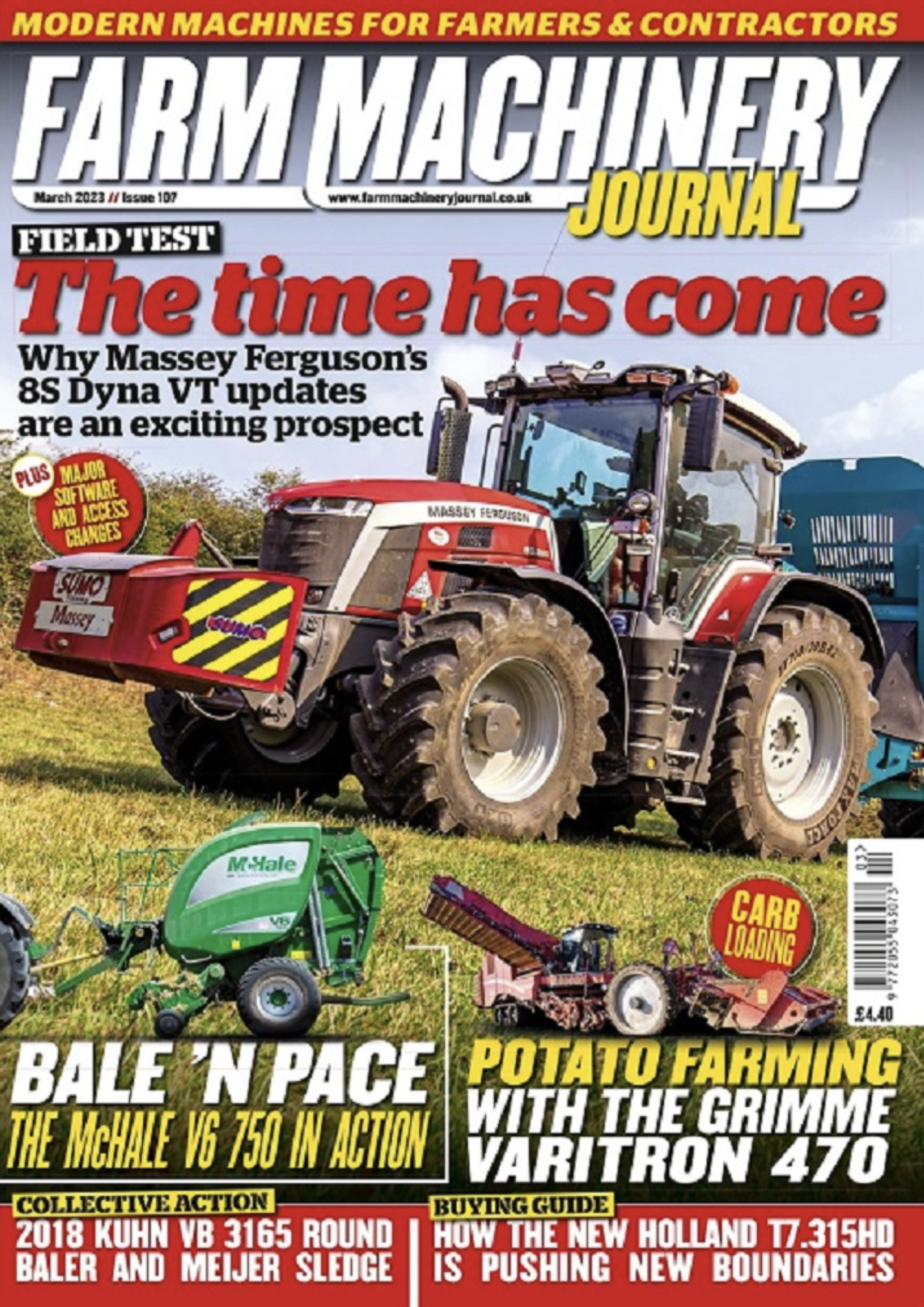
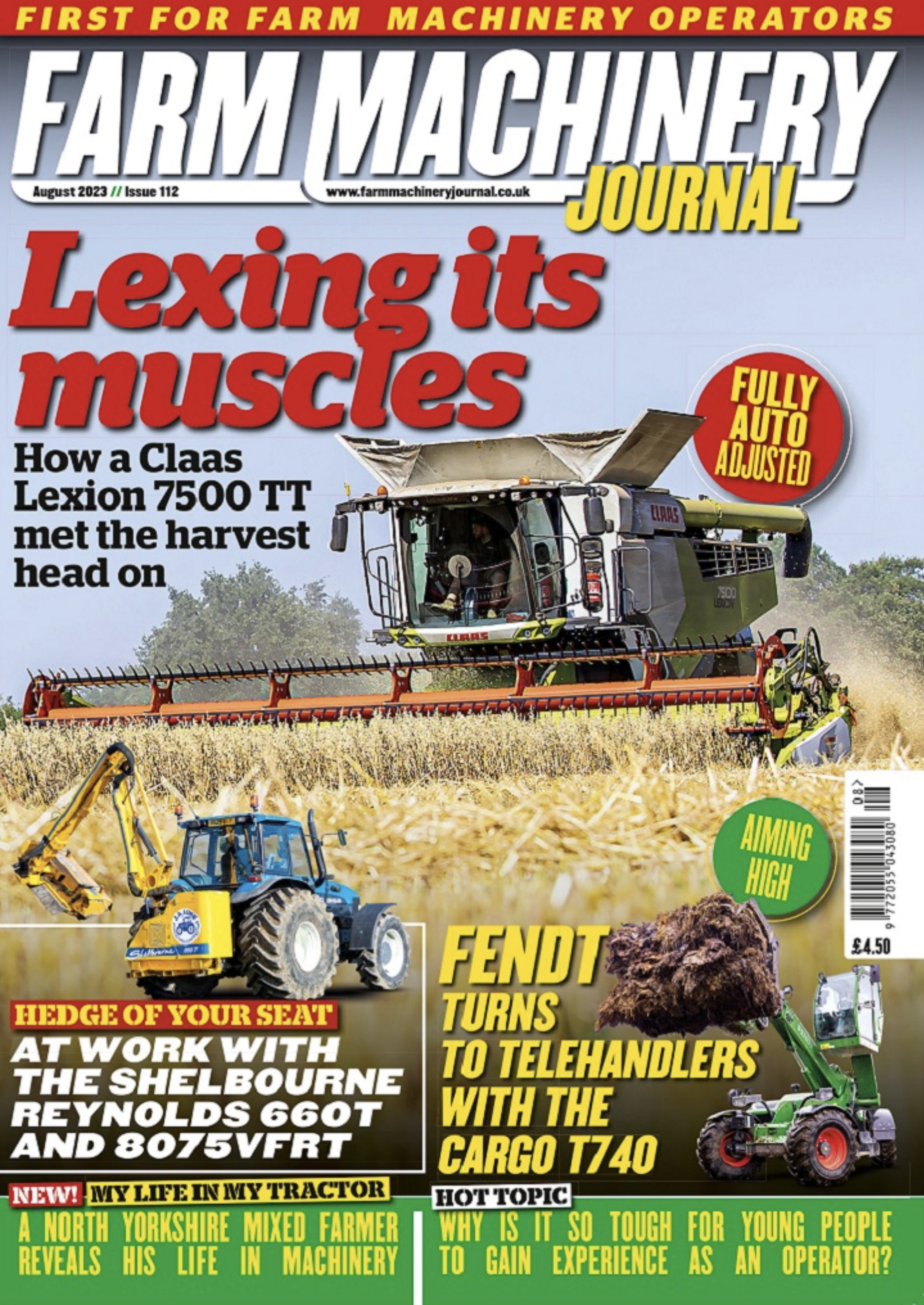
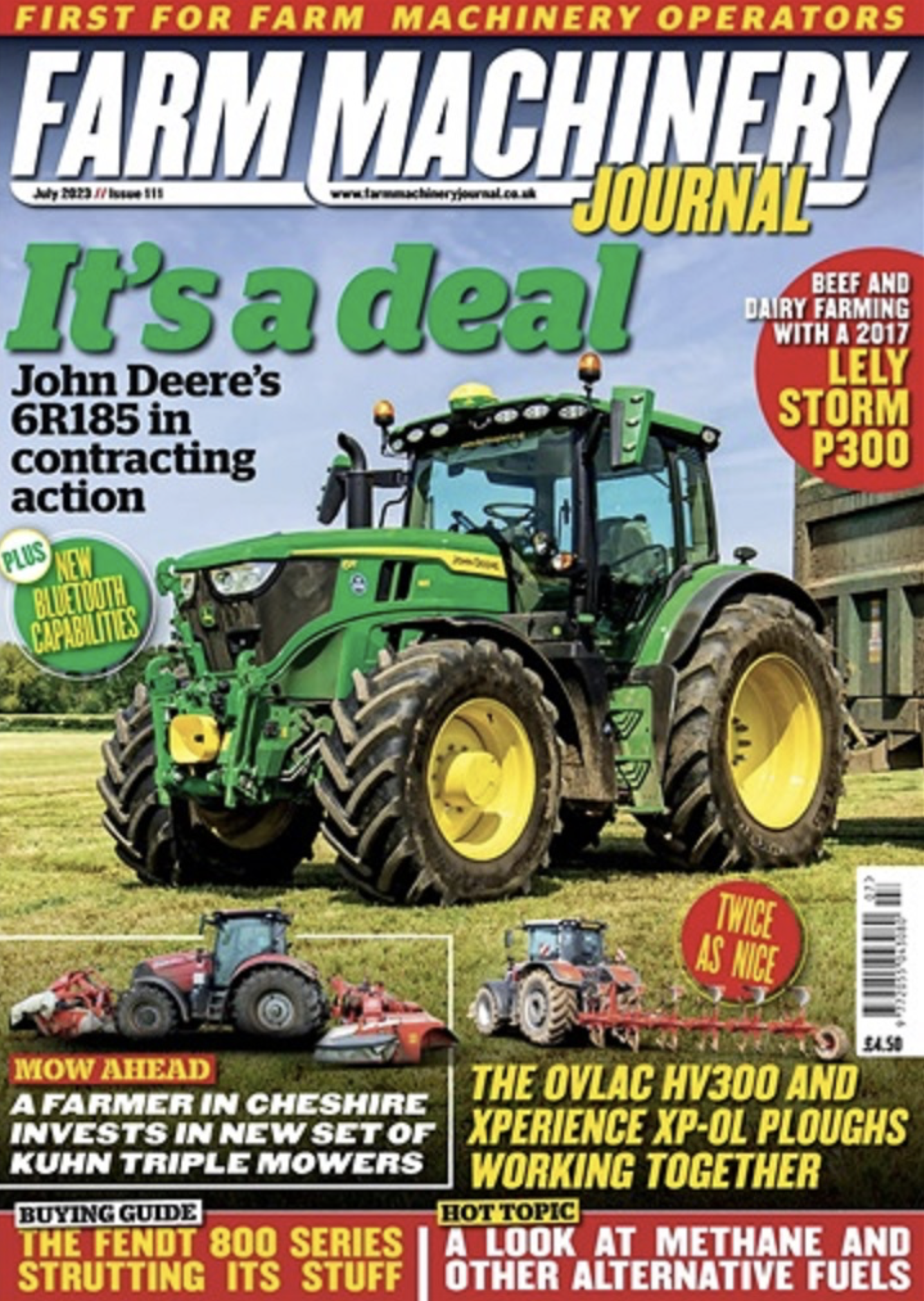
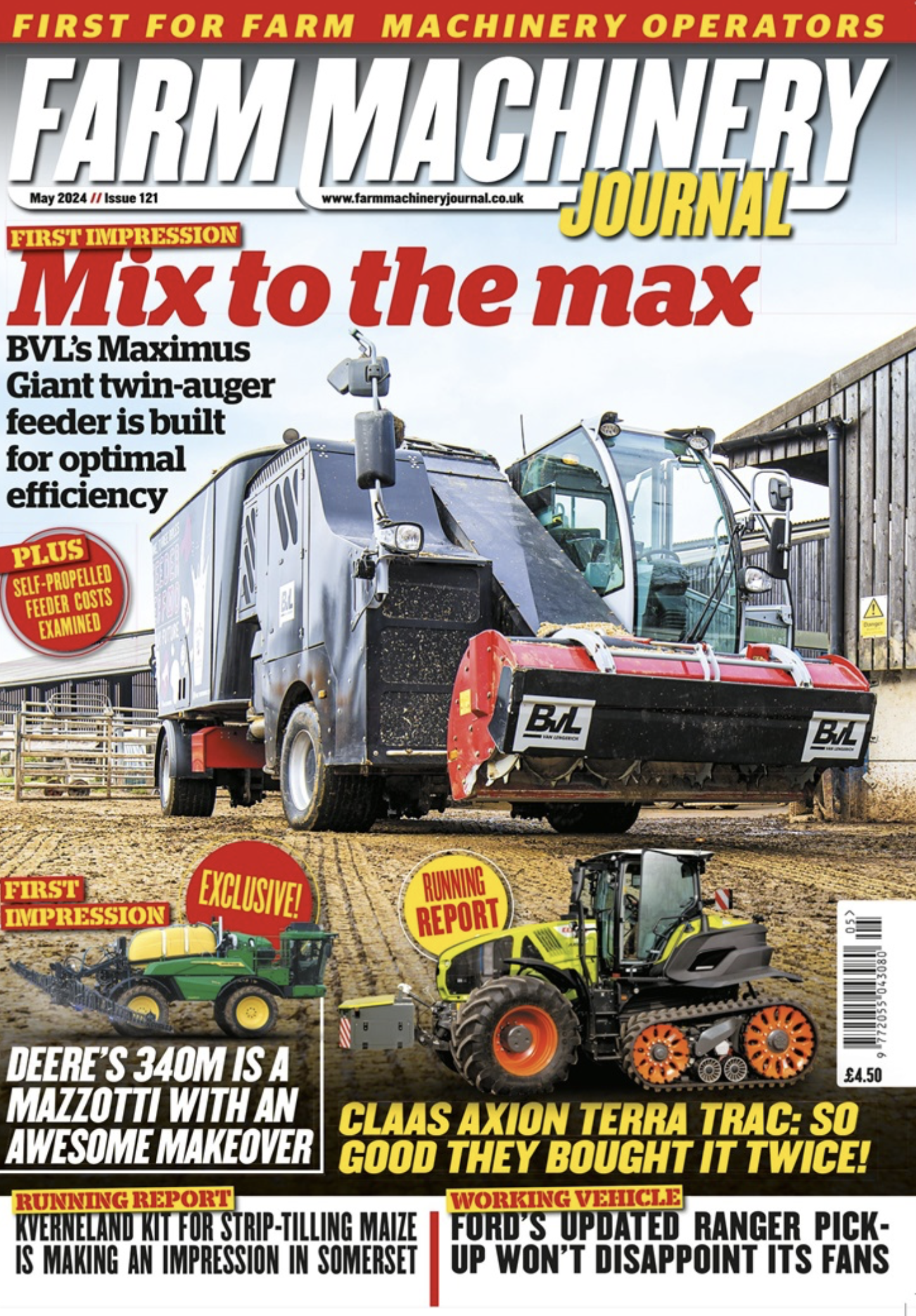
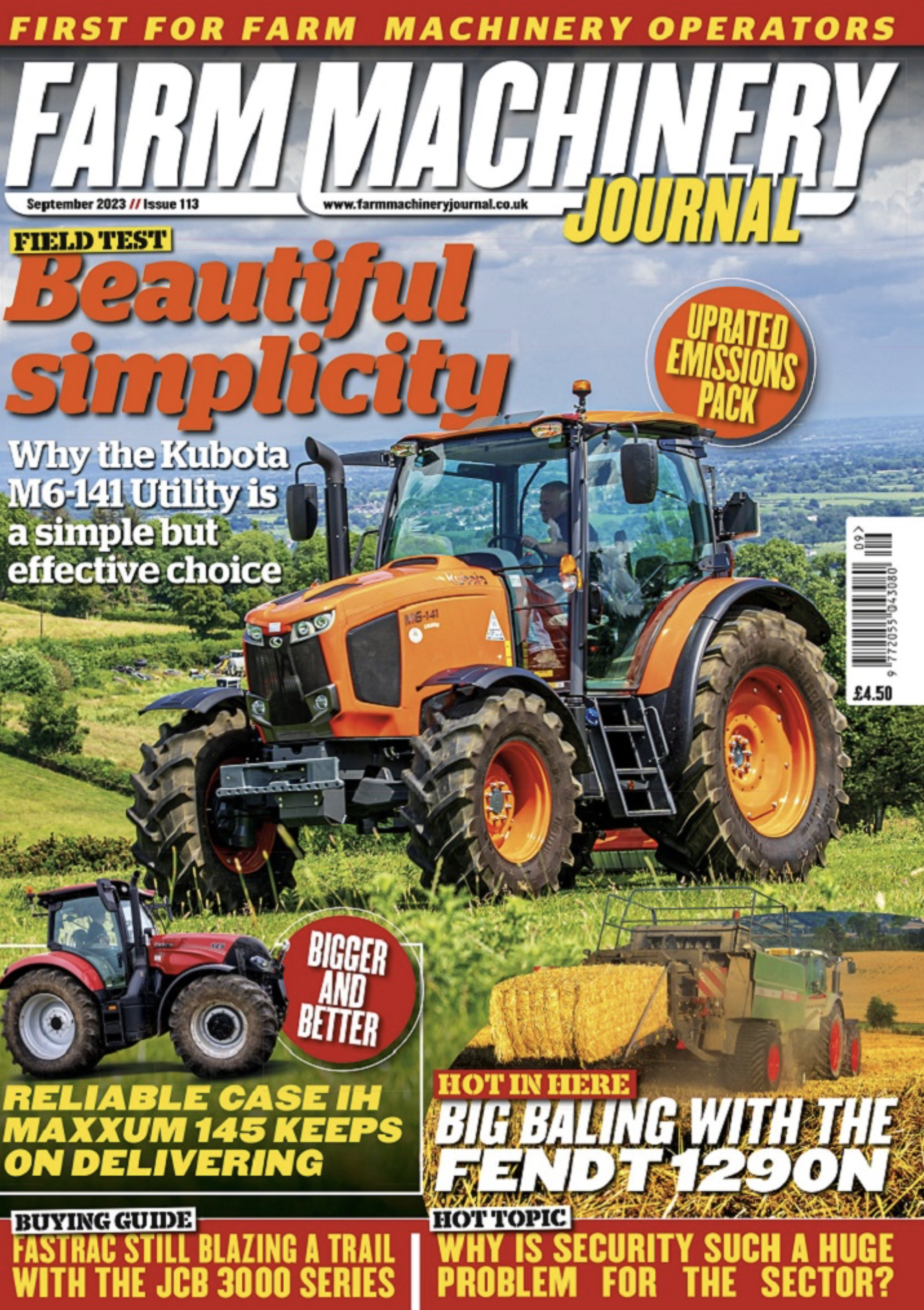
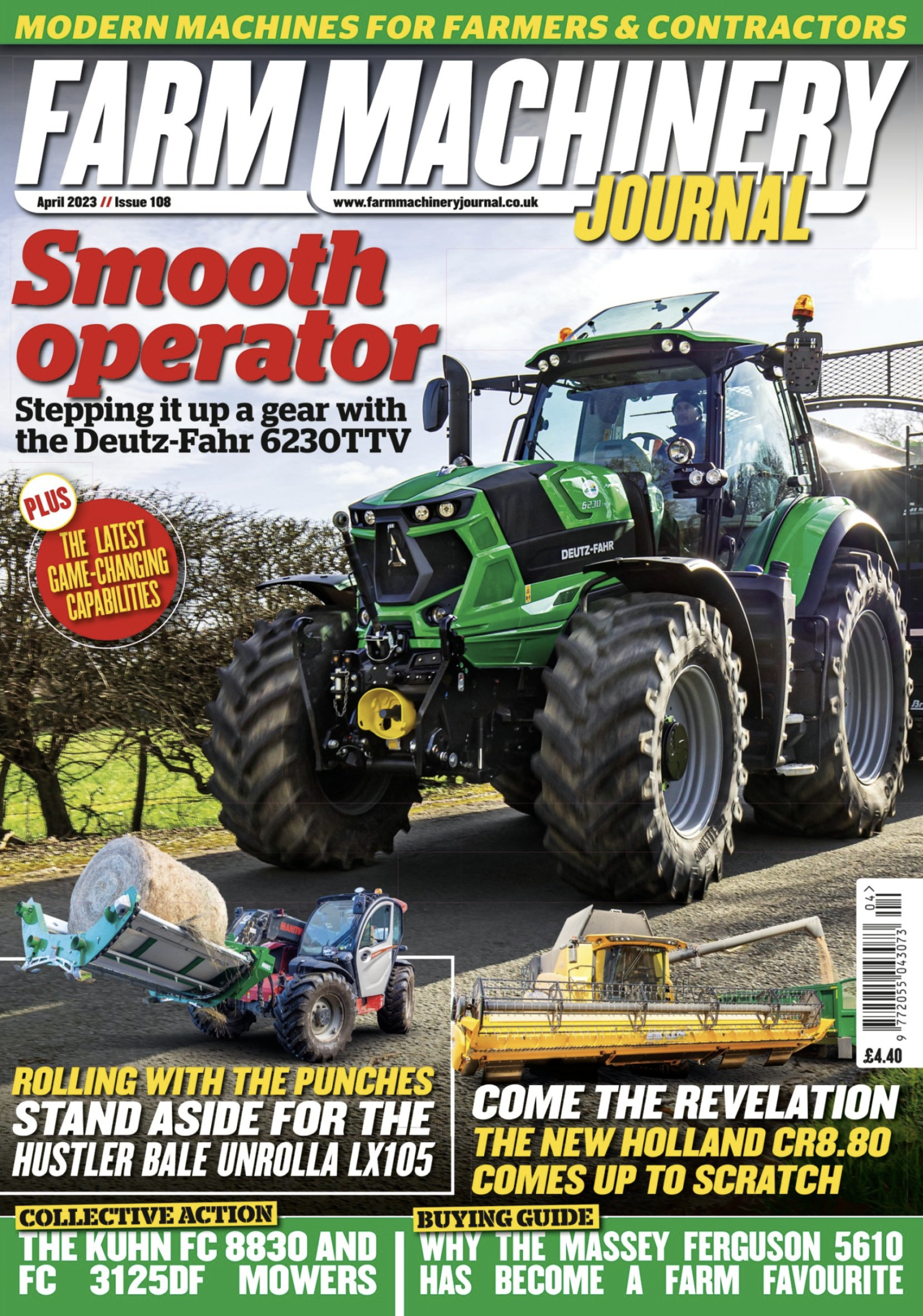
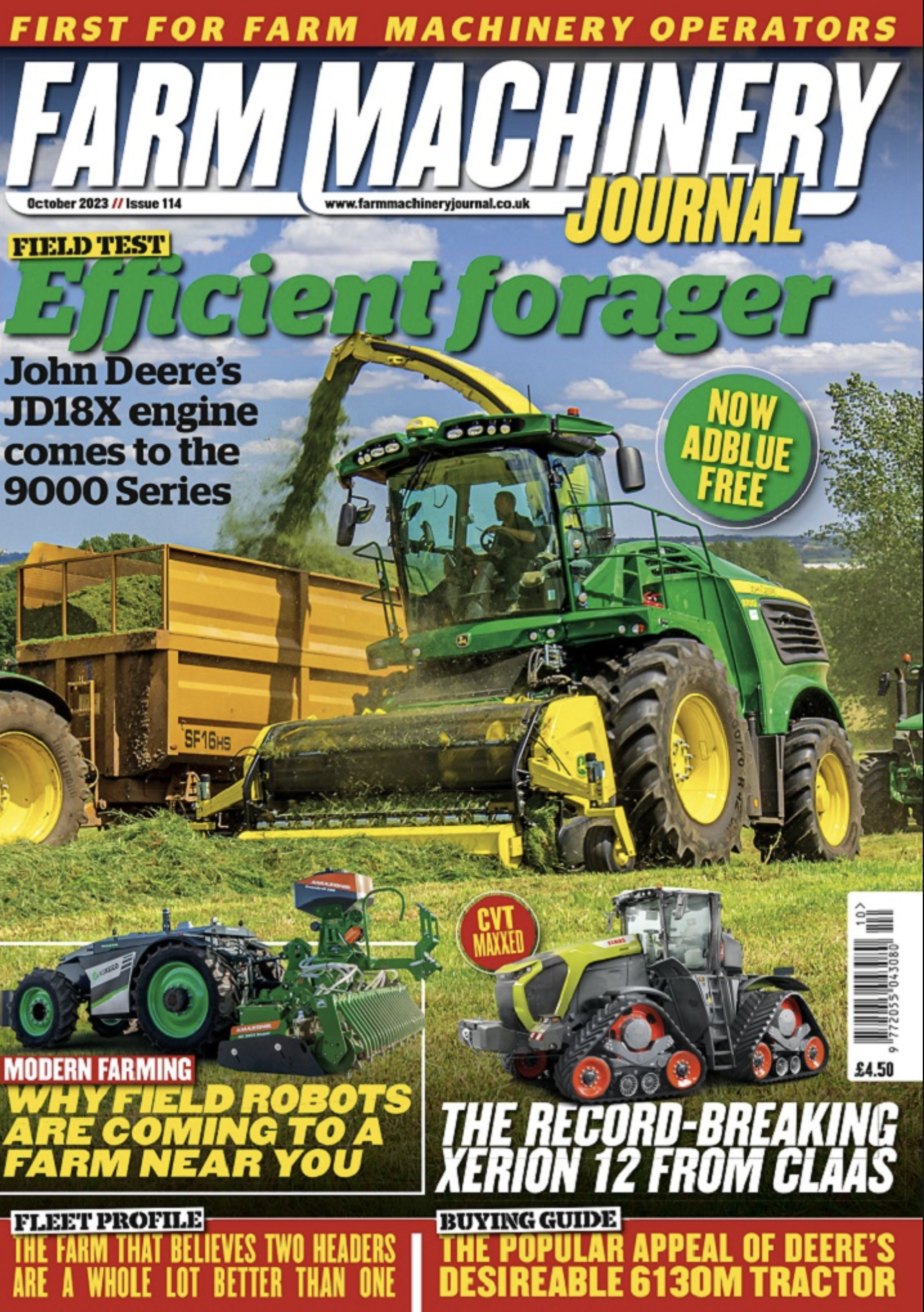
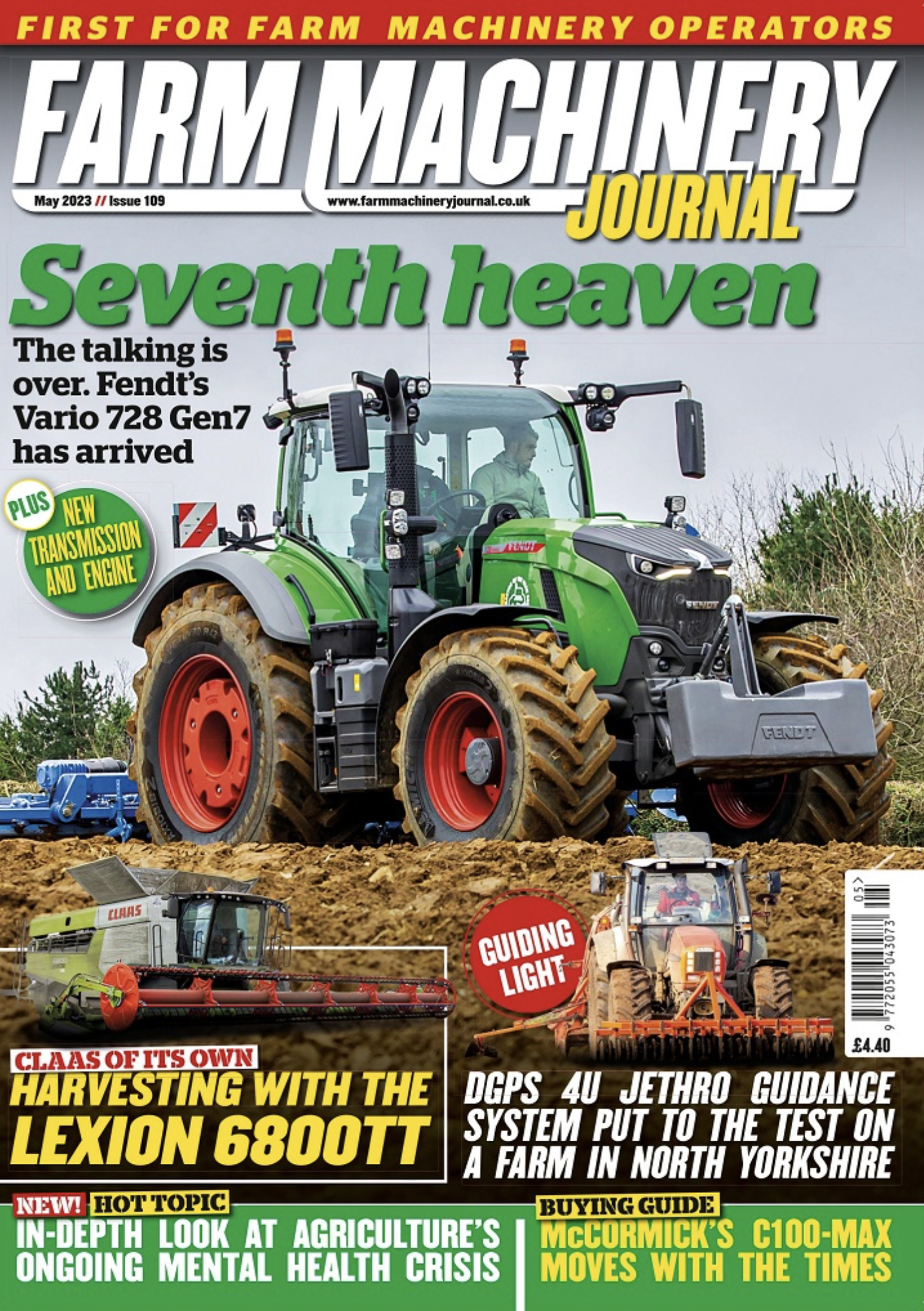
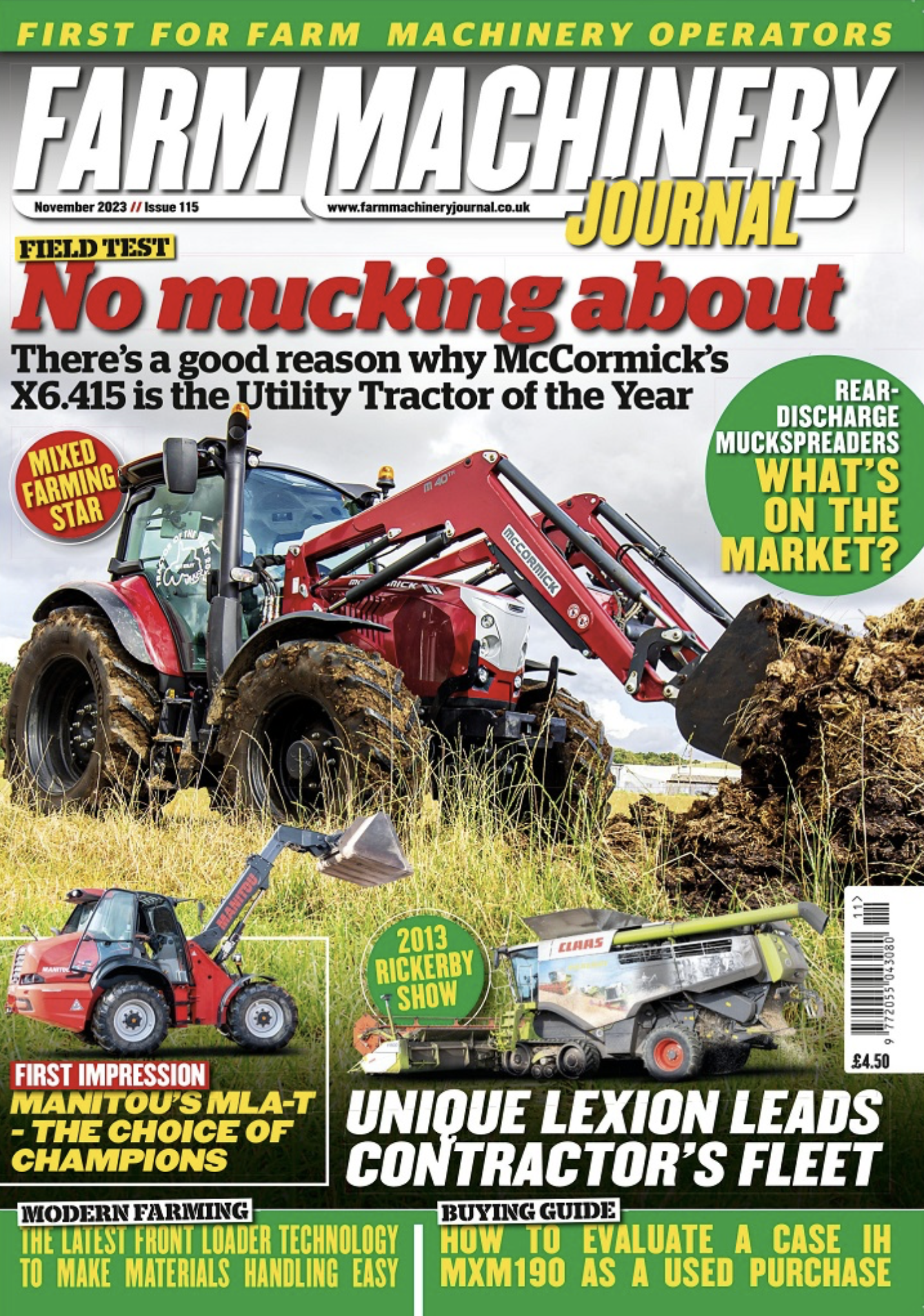
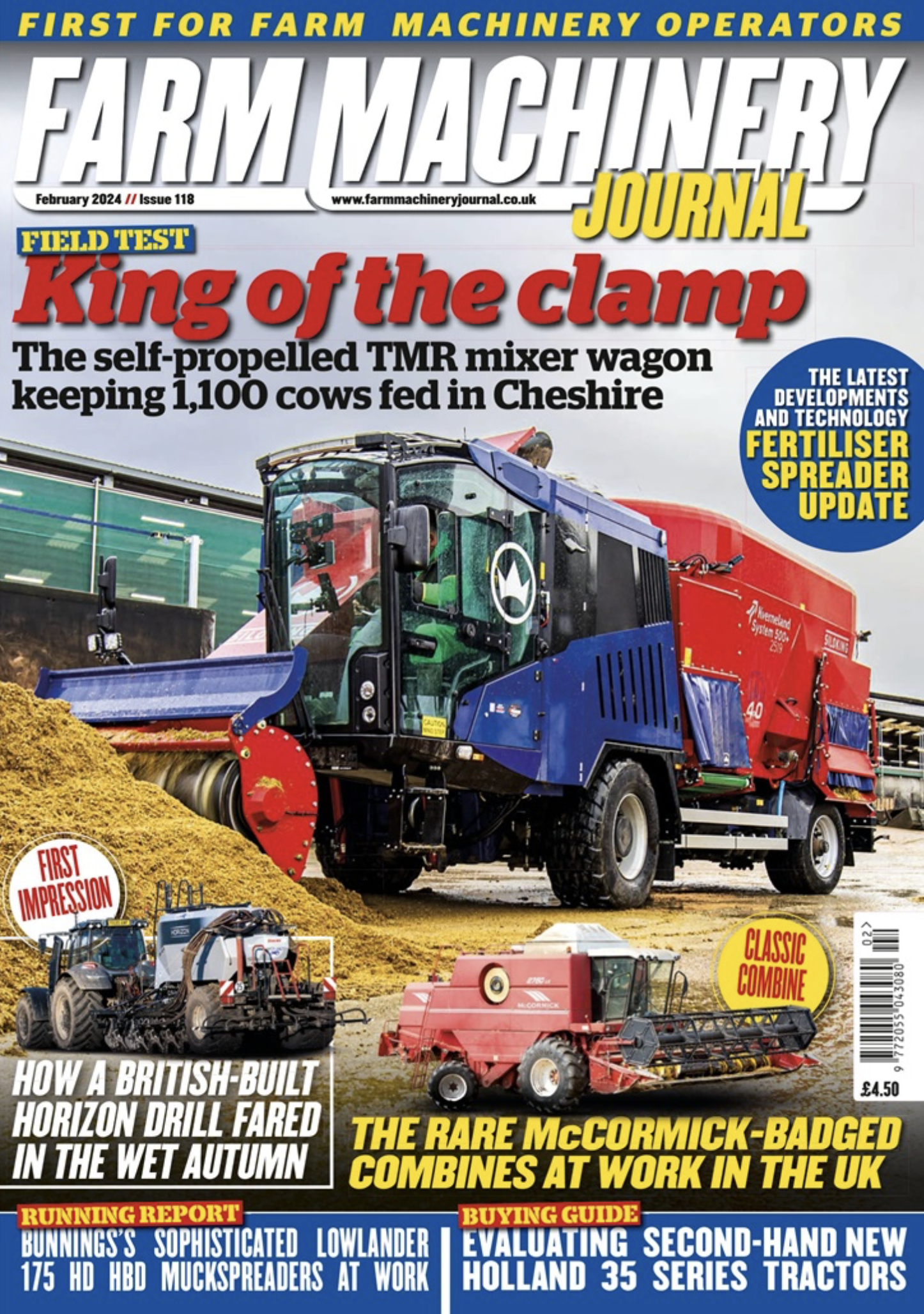
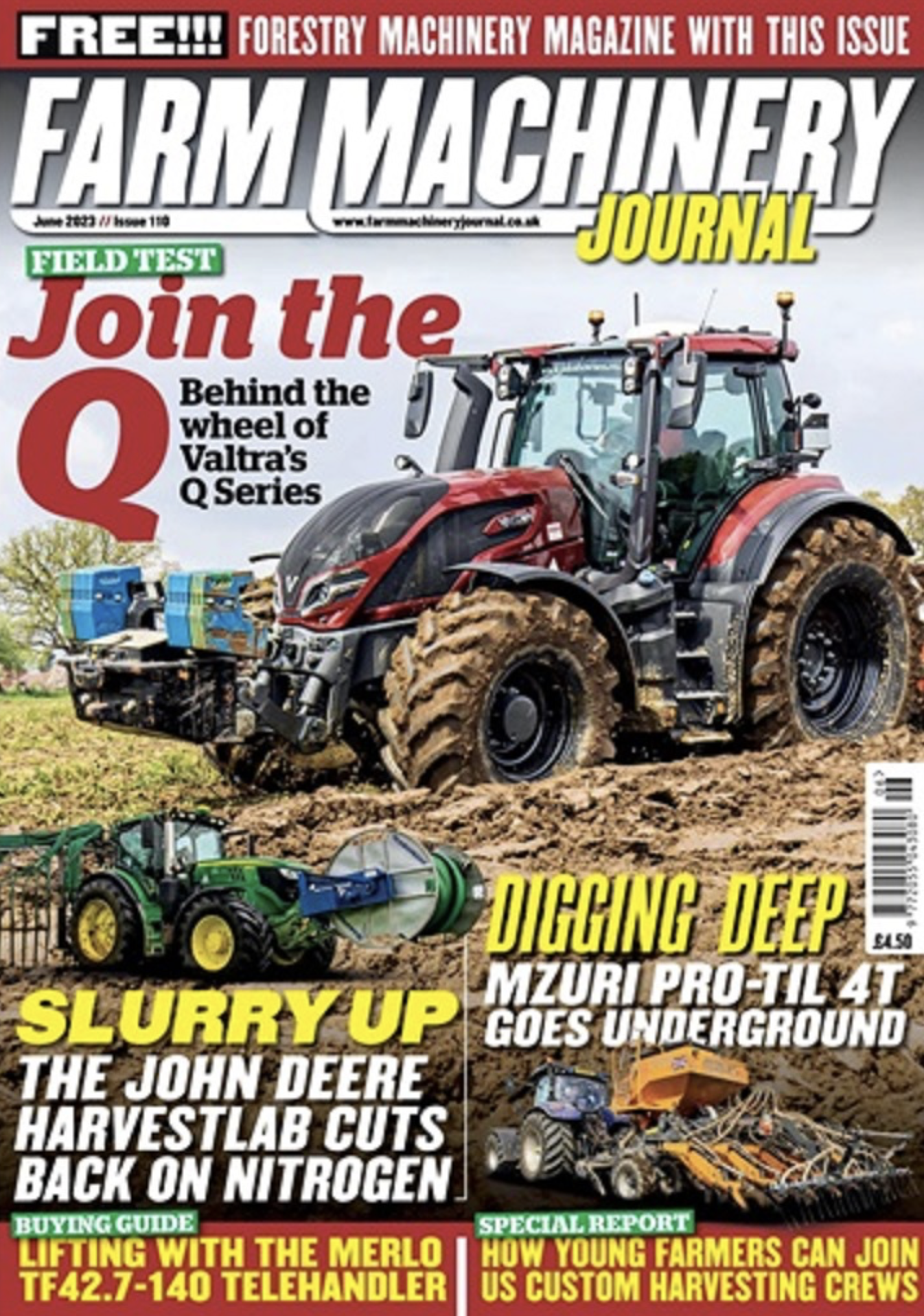
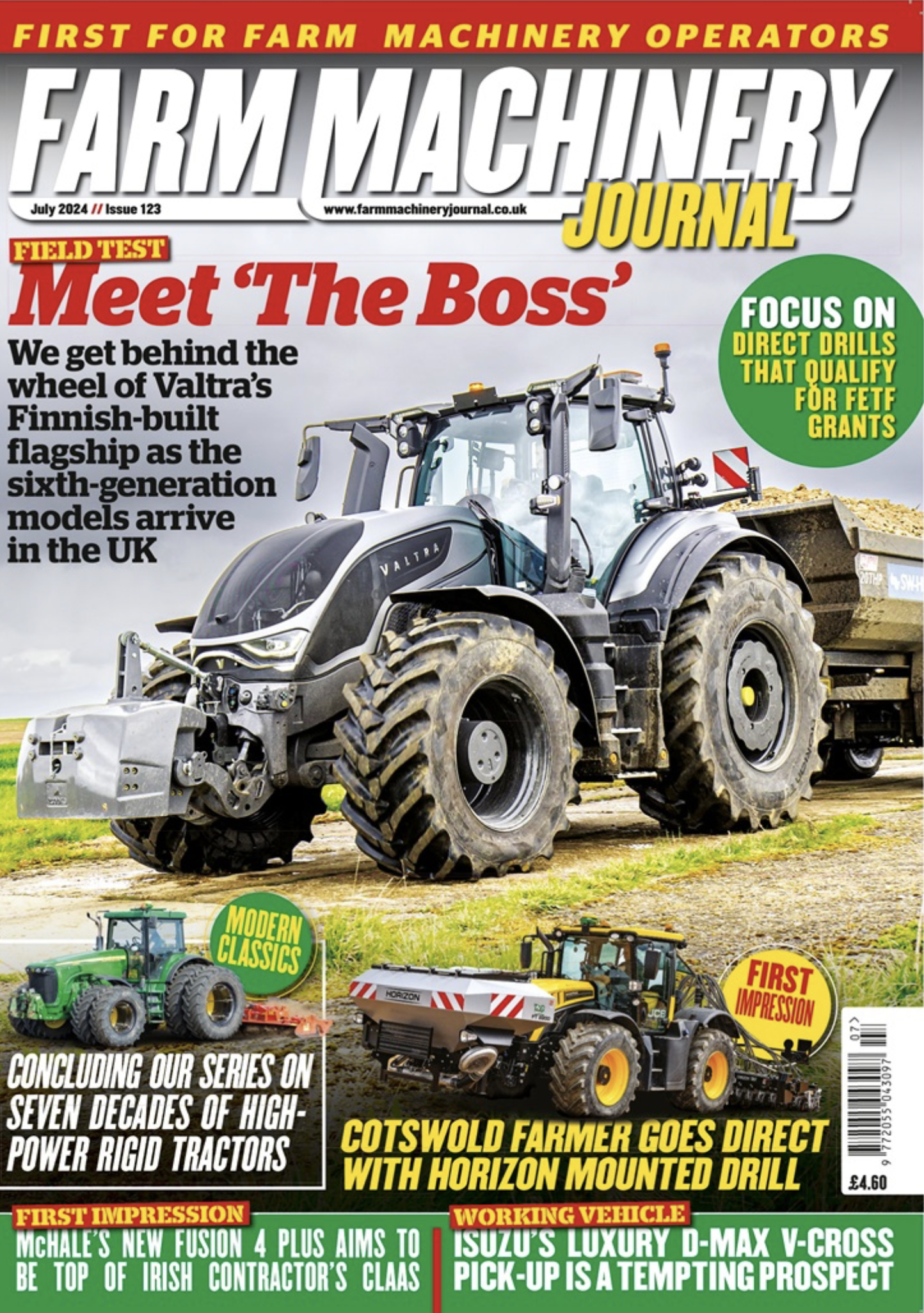
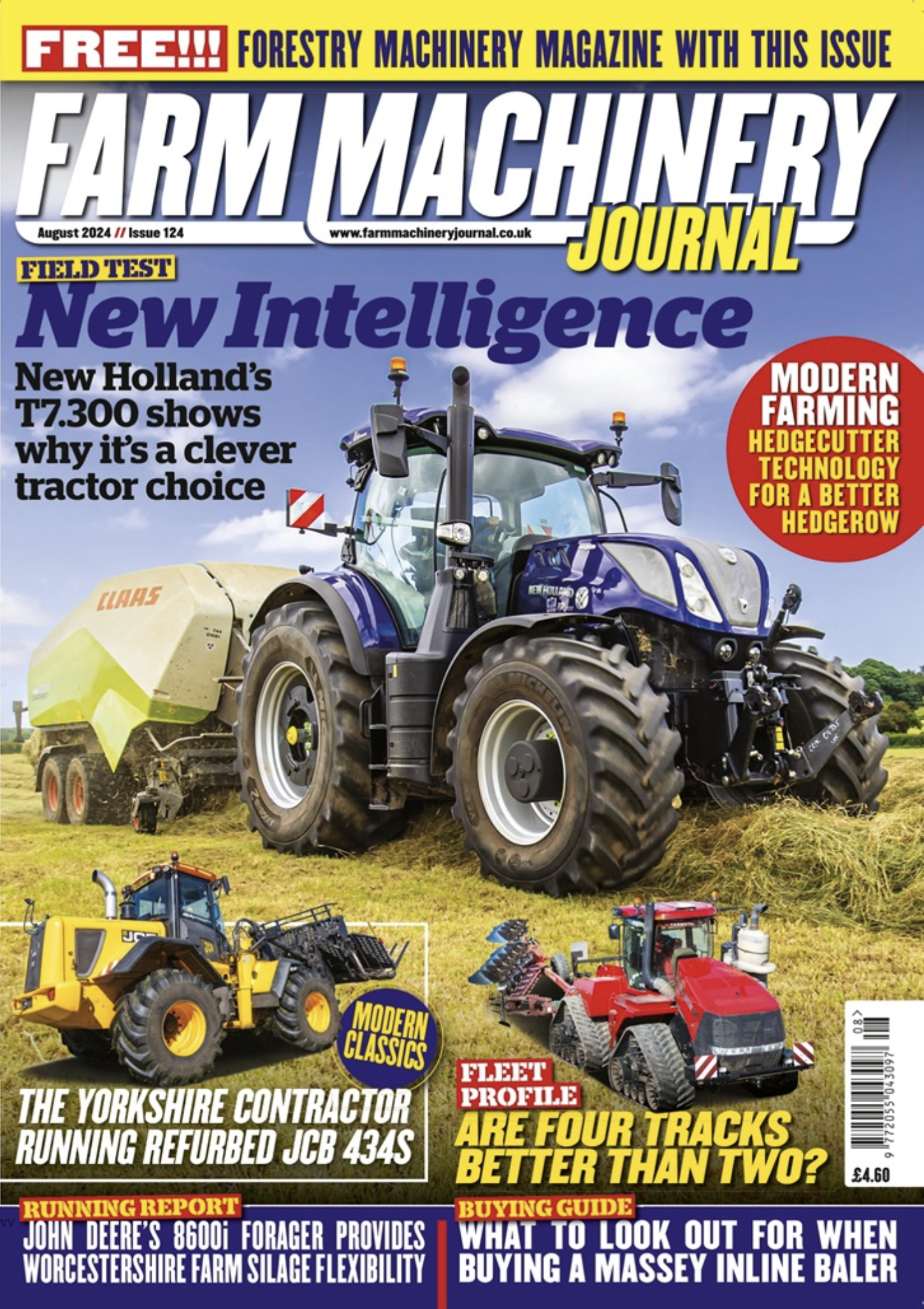
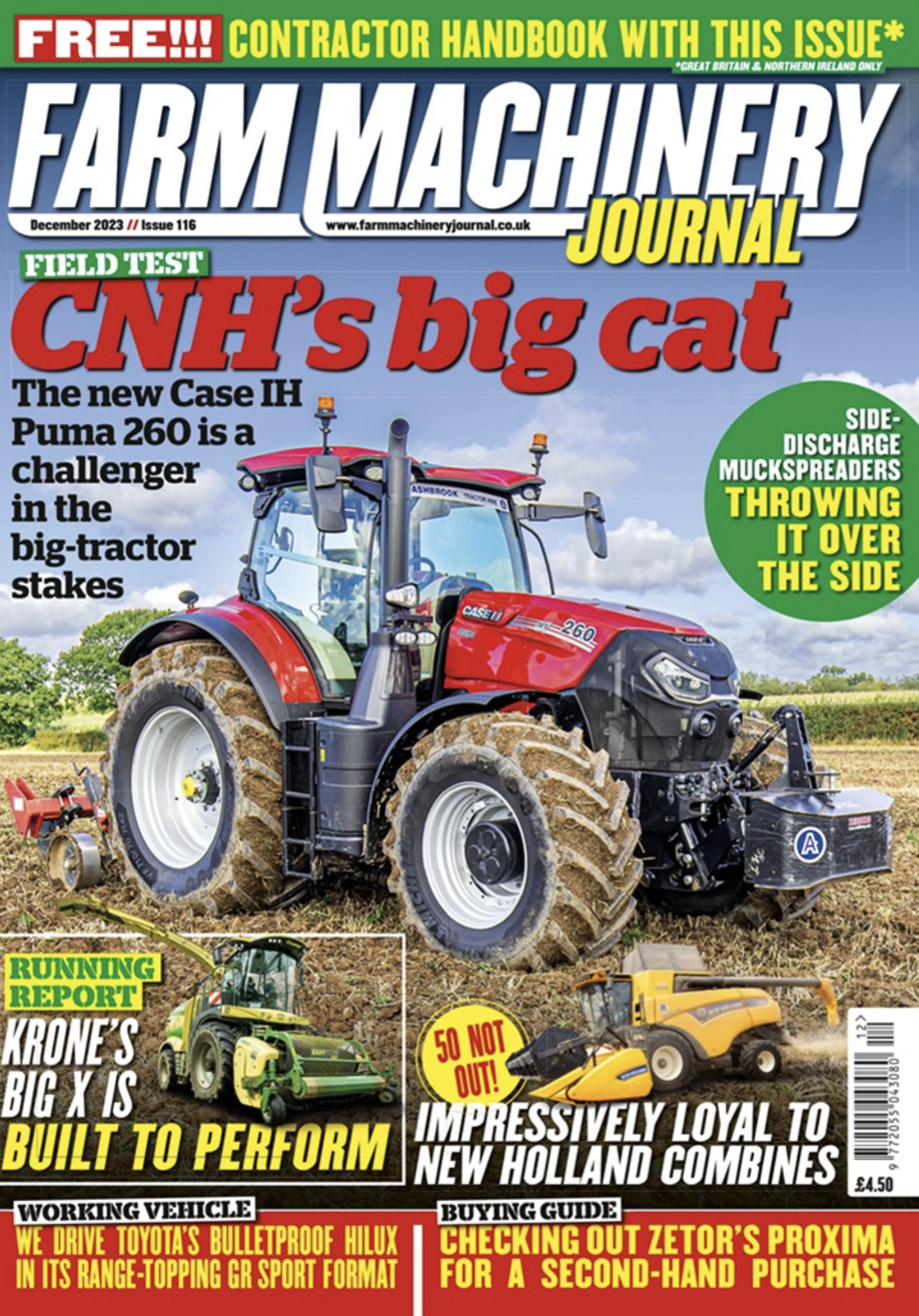
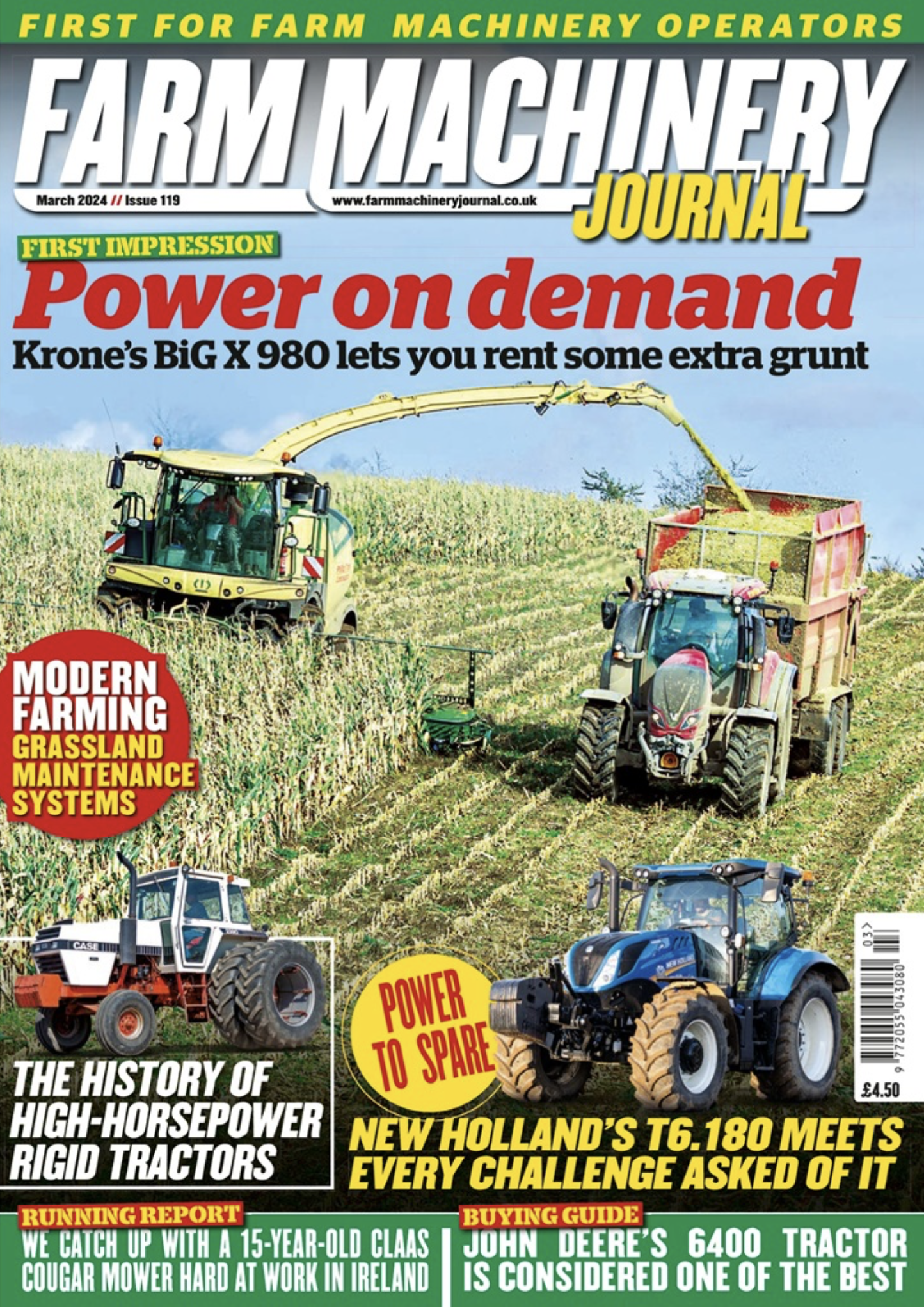
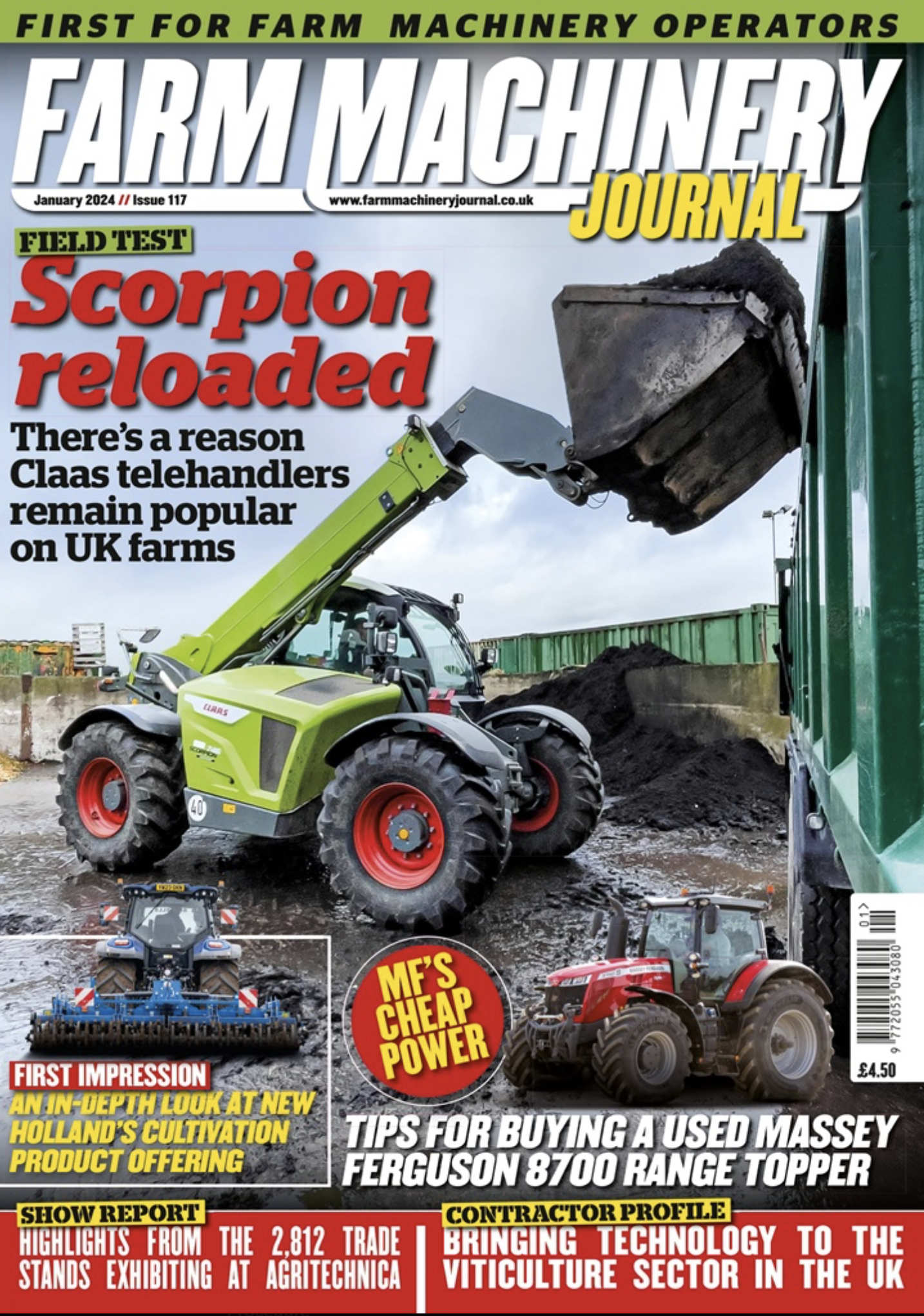
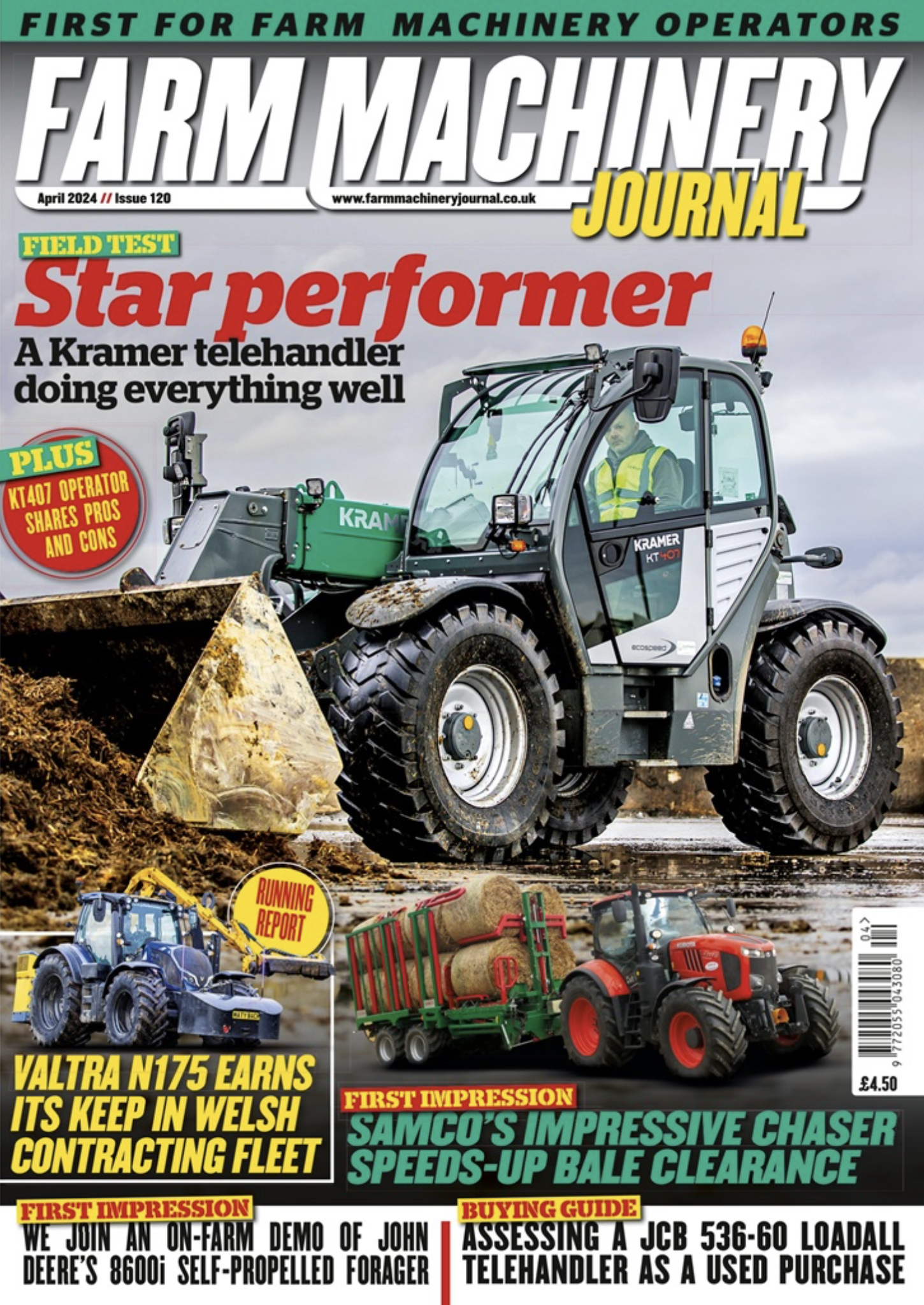
Farm Machinery Journal front covers over a year

My run of covers went from from May 2023 to August 2024, uninterrupted; and with the weather we’ve had over that period, sometimes it was a rush to the deadline waiting for machines, field work and owners to be ready.

Every cover image and story was made by me, after some rejigging at the magazine and loosing a great editor and journalist at the same time. I was thrown in at the deep end, and had to pull out the stops on writing as well as organising machines to see.

I have spent many hours driving tractors and harvest equipment, having worked for a contractor for five years when I was younger. But getting in to the seat of modern machines is a whole new ball game.

Over the last 18 months or so I have been lucky to get my hands on some really nice machinery. From tractors and loaders to forage harvesters. and all shiny new equipment, the levels of comfort and technology are super.

Anyway, here’s a few pictures of the covers from Farm Machinery Journal, I’ll add a separate post for Heritage Tractor, which has had my photographs on the cover for about two years.